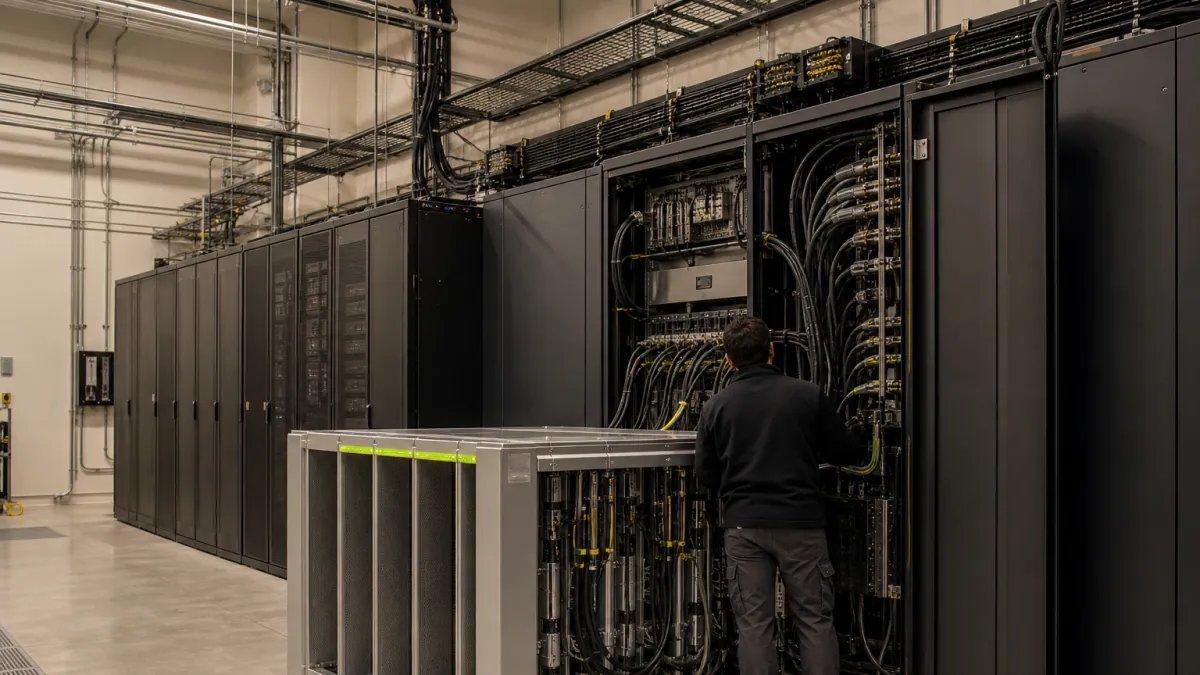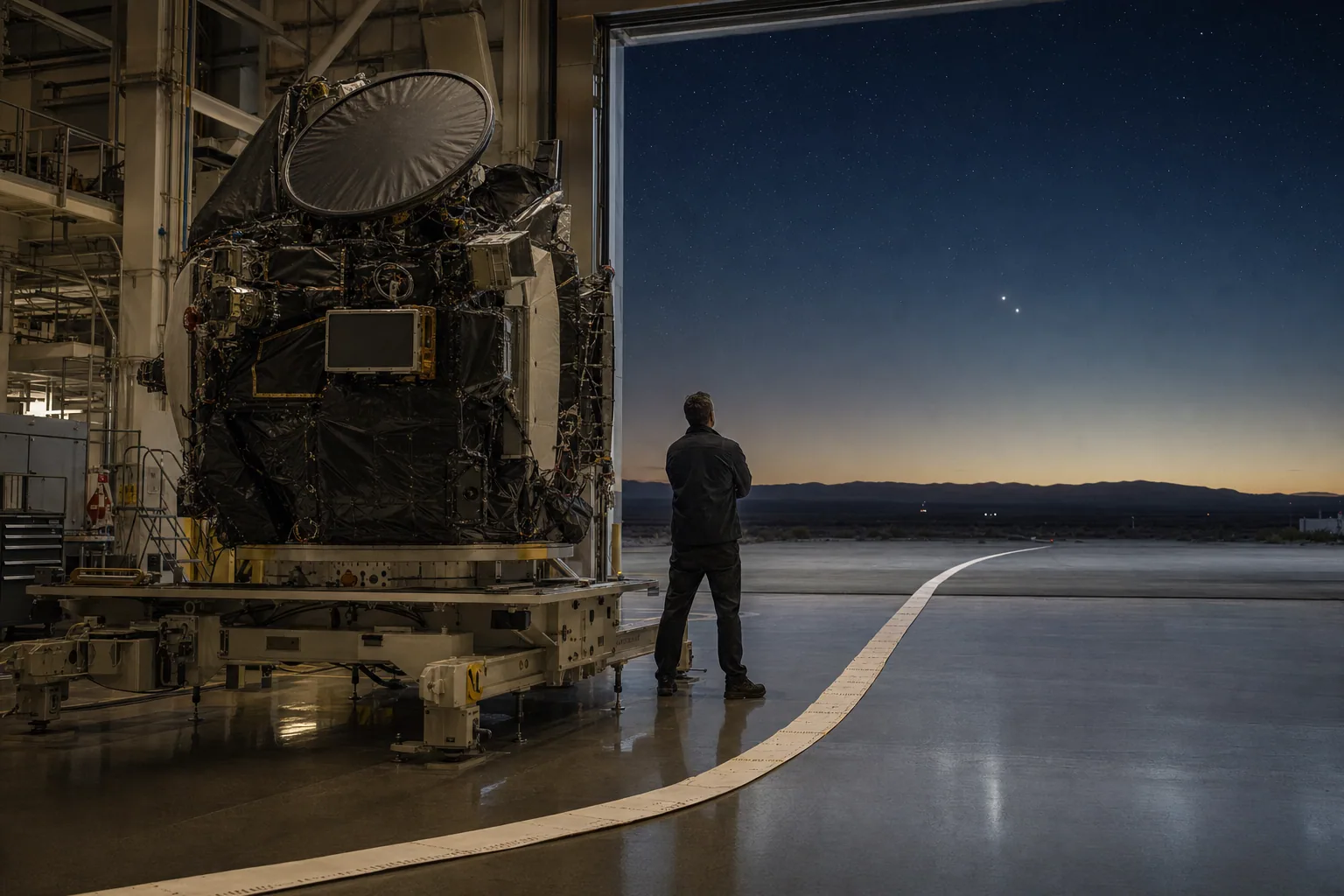
A nonprofit called the Fermi Explorer Mission has announced an intention to launch a spacecraft toward Alpha Centauri, the nearest star system to Earth, by the end of 2029. The mission is being framed around AI’s role in plotting an interstellar journey.
The proposed destination is 4.4 light-years away. Even if the mission succeeds, the spacecraft could take as long as 80,000 years to arrive, according to MIT Technology Review.
That gap between launch ambition and arrival time is the central business lesson. AI may improve the planning of extraordinarily complex journeys, but it does not erase the physical, financial, and organizational constraints that govern the underlying mission.
What changed
The immediate development is the nonprofit’s public launch target: the end of 2029. The announcement places an interstellar proposal on a relatively near-term execution schedule, even though its scientific payoff would unfold on a timescale far beyond conventional space programs, companies, governments, or funding vehicles.
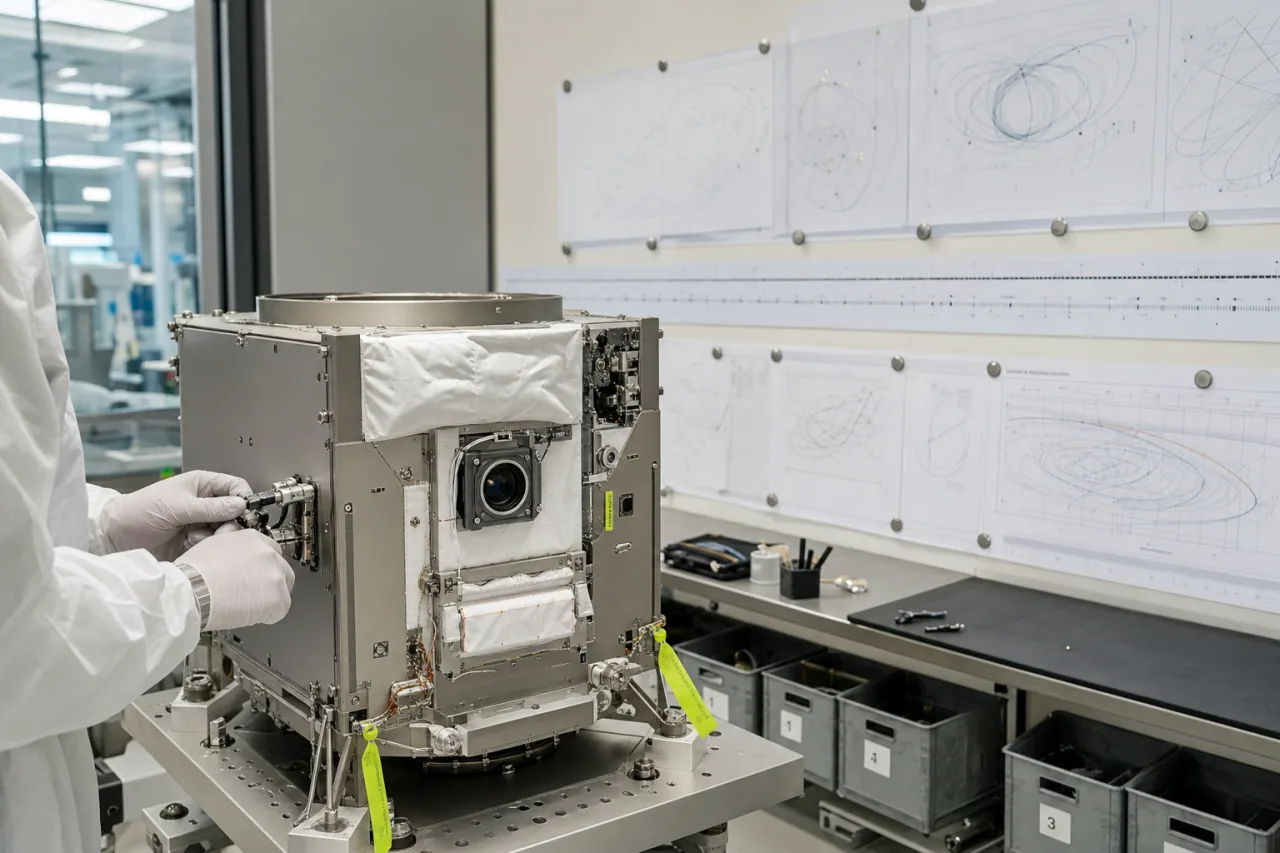
The available details do not specify the spacecraft’s design, propulsion approach, budget, launch provider, or the precise AI methods used to develop its trajectory. Those omissions matter. A planned launch is not the same as a funded, technically validated, and executable mission.
Why AI matters here
Interstellar mission design is a useful extreme case for AI-assisted planning. A system intended to travel for millennia must account for a large set of interdependent decisions: route selection, mission constraints, operating assumptions, and the trade-offs between a desired destination and the time required to get there.
For builders and operators, the relevant takeaway is not that AI has solved interstellar travel. It has not, based on the information available. Rather, the project illustrates where AI tools can be most valuable: helping teams explore and compare complex plans that would be difficult to evaluate manually.
That is especially relevant in domains with long lead times and high uncertainty, including infrastructure, energy, aerospace, supply chains, and scientific research. In those settings, AI can support scenario analysis and design work, while human institutions still need to make decisions about capital, risk, governance, and accountability.
The operational challenge is continuity
An 80,000-year journey creates a category of continuity problem that no modern organization has solved. The harder questions may sit outside trajectory planning: who maintains the mission’s records, how the project’s purpose is preserved, and what happens if the organization sponsoring it changes or disappears.
Even the nearer milestone—launching by the end of 2029—will require the mission to convert an announcement into a credible operating plan. That means demonstrating technical feasibility and establishing the resources and partnerships needed to send a spacecraft beyond the solar system.
What to watch next
The next meaningful signals will be concrete rather than rhetorical: technical details about the craft and its planned route, evidence of funding, named launch arrangements, and clearer disclosure of how AI contributed to mission planning.
For executives evaluating AI, the Alpha Centauri proposal is a reminder to separate two questions. First, can an AI system help generate a better plan? Second, can the organization execute and sustain the plan? The first may be increasingly accessible. The second remains the defining test.